Winters in Michigan’s Upper Peninsula are long, cold, and physically demanding. Snowfall can last for months, temperatures often drop well below freezing, and icy conditions make everyday activities more difficult. By the time spring arrives, many people notice increased joint pain, stiffness, or soreness that was not as noticeable earlier in the season.
Reduced activity during winter is one of the most common reasons for this change. When people spend more time indoors and move less often, joints may become stiff and muscles can weaken. As warmer weather returns and activity levels increase, those joints and muscles are suddenly asked to work harder again.
For some people, the discomfort fades quickly. For others, it may signal an underlying orthopedic issue such as a meniscus tear, ligament injury, or shoulder strain that developed during winter activity.
At Helen Newberry Joy Hospital, orthopedic care and surgical services are available close to home for residents across the Upper Peninsula. Patients who experience persistent joint pain can be evaluated by a specialist and receive treatment without needing to travel far for care.
Why Upper Peninsula Winters Can Affect Your Joints
Cold weather affects the body in several ways. Muscles tighten in lower temperatures, joints may feel stiffer, and circulation to extremities can decrease slightly. These changes can make movement less comfortable and may increase the risk of injury.
Long periods of reduced activity can also weaken muscles that normally support joints like the knees, hips, and shoulders. When spring activities begin again such as yard work, hiking, fishing, or outdoor recreation, those joints may not be fully prepared for the sudden increase in movement.
Winter activities themselves can also lead to injury. Snow shoveling, walking on icy surfaces, snowmobiling, and winter sports all place extra stress on joints and ligaments.
According to the American Academy of Orthopedic Surgeons, sudden increases in physical activity after periods of inactivity are one of the most common causes of orthopedic injuries in adults.
Common Orthopedic Problems After a Long Winter
Healthcare providers often see an increase in orthopedic injuries in late winter and early spring. These problems can affect people of all ages and activity levels.
Some of the most common issues include:
- Knee pain caused by meniscus tears or ligament strain
- Shoulder injuries that may require rotator cuff repair
- Rolled ankles or ankle instability from slips on ice
- Achilles tendon injuries from sudden activity
- Back pain from lifting heavy snow or shoveling
Knee injuries are particularly common. One example is an injury to the anterior cruciate ligament, also called the ACL. The ACL plays an important role in stabilizing the knee during everyday movements such as walking, turning, and climbing stairs. According to orthopedic resources, ACL injuries often occur when a person pivots quickly, lands awkwardly, or suddenly changes direction during activity.
Common symptoms of an ACL injury may include knee pain, swelling, difficulty putting weight on the leg, or a popping sensation at the time of injury. If this type of injury occurs, treatment options may include rehabilitation, ligament repair, or reconstruction depending on the severity of the tear.
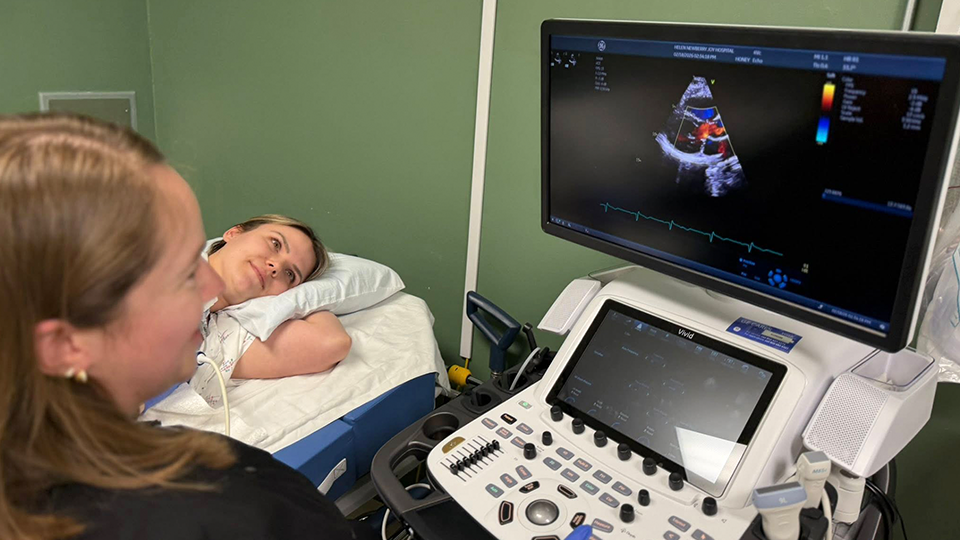
Orthopedic specialists may recommend diagnostic imaging such as X rays or MRI scans to evaluate the joint and determine the best treatment plan. At Helen Newberry Joy Hospital, these services are available through the hospital’s radiology department, allowing patients to receive imaging and follow up care close to home. For some patients, supportive therapies may also help manage discomfort. Massage therapy can help reduce muscle tension, improve circulation, and support overall relaxation, which may provide relief alongside other orthopedic treatments.
When Joint Pain Should Be Evaluated by a Doctor
Mild soreness after activity is normal. However, ongoing joint pain may indicate a deeper orthopedic problem.
It may be time to schedule a doctor appointment if pain continues for several weeks or interferes with normal movement. Symptoms such as swelling, instability in the knee or ankle, or limited shoulder motion should also be evaluated by a healthcare professional.
Orthopedic specialists treat conditions involving bones, joints, ligaments, and tendons. Depending on the injury, treatment may include physical therapy, rehabilitation exercises, medications, or orthopedic surgery.
Patients who need surgical treatment can receive care locally through the hospital’s surgical department. The surgical team works with board certified specialists to provide procedures such as knee arthroscopy, rotator cuff repair, and tendon repair for sports injuries and other orthopedic conditions.
Patients can also connect with healthcare providers across several community clinics and specialty services throughout the region. View available providers here: https://hnjh.org/providers/
The Role of Physical Therapy in Recovery
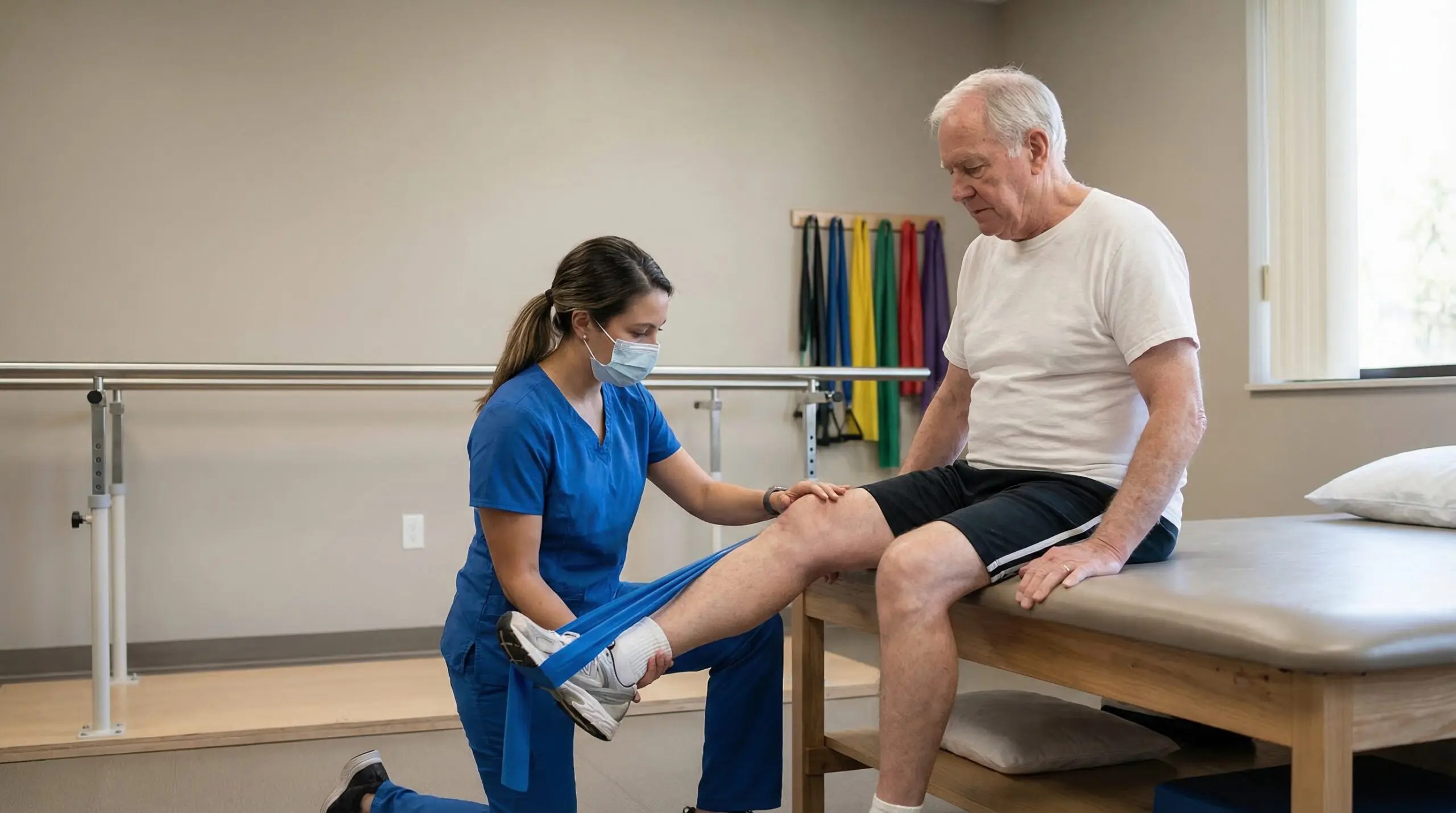
For many orthopedic conditions, physical therapy is an important part of recovery. Strengthening the muscles that support joints can improve stability, reduce pain, and help prevent future injuries.
The Rehabilitation Services department at Helen Newberry Joy Hospital provides physical therapy and rehabilitation programs designed to improve mobility and restore physical function. These services help patients recover after injuries, surgery, or chronic joint conditions.
Physical therapists work with patients to develop personalized treatment plans that may include strengthening exercises, stretching routines, balance training, and mobility work.
Rehabilitation programs can support recovery after procedures such as joint replacement or rotator cuff repair, and they can also help patients return safely to daily activities after injury.
Protecting Your Joints as Activity Increases
The transition from winter to spring is a good time to take steps that support joint health. Gradually increasing activity allows muscles and joints to adjust after months of lower movement.
Simple habits can make a meaningful difference:
- Start slowly with walking or light activity before intense exercise
- Stretch muscles before physical work or outdoor recreation
- Strengthen core and leg muscles to support knee and back stability
- Use proper lifting techniques when handling heavy objects
Maintaining a healthy weight can also reduce stress on joints, particularly the knees and hips.
Health experts at the Centers for Disease Control and Prevention note that regular physical activity helps improve joint function and reduce the risk of chronic joint pain.
Orthopedic Care Close to Home in the Upper Peninsula
Life in the Upper Peninsula often involves outdoor work, recreation, and activities that place stress on the body throughout the year. Healthy joints play an important role in maintaining independence and quality of life.
Helen Newberry Joy Hospital provides orthopedic care, surgical services, rehabilitation, and diagnostic imaging for residents throughout the region. Patients can receive evaluation, treatment, and recovery support close to home without traveling long distances for care.
If joint pain continues after winter or begins to interfere with daily activities, a healthcare provider can help determine the cause and recommend the next steps for treatment and recovery.