Long winter nights. Early mornings during hunting season. Shift work. Waking up exhausted even after what should have been “a full night’s sleep.” For many people in Newberry and across Michigan’s Upper Peninsula, poor sleep starts to feel normal, just part of getting older or living a busy life.
But ongoing sleep problems are often medical conditions, not just stress or aging.
New research published in 2025 in the Journal of Clinical Sleep Medicine by the American Academy of Sleep Medicine (AASM) continues to show strong links between untreated sleep disorders and heart disease, cognitive decline, diabetes, and accident risk (AASM, 2025 Review). As an AASM-accredited Sleep Center since 2011, Helen Newberry Joy Hospital follows the same national standards reflected in this latest research, right here in Newberry, Michigan.
If you’re waking up tired, struggling to fall asleep, or being told you snore loudly, it may be time to look deeper.
Why Sleep Matters More Than You Think (Backed by 2025 Research)
According to recent findings highlighted by the American Academy of Sleep Medicine (AASM), insufficient or untreated disordered sleep is associated with:
- Increased cardiovascular disease risk
- Higher rates of stroke and heart attack
- Impaired memory and cognitive function
- Increased risk of workplace and driving accidents
- Poor blood sugar regulation and metabolic health
Sleep apnea in particular continues to be strongly linked to heart disease and hypertension. Research also reinforces that treating sleep disorders, especially with properly managed CPAP therapy — significantly improves long-term health outcomes.
For many Upper Peninsula residents, fatigue becomes normalized. But when sleep issues persist, they deserve medical attention, not dismissal.
Common Sleep Disorders We Diagnose at HNJH
The Sleep Diagnostics Center at Helen Newberry Joy Hospital evaluates and treats a wide range of sleep concerns affecting all ages.
Sleep Apnea
Sleep apnea causes repeated pauses in breathing during sleep. Common signs include loud snoring, gasping at night, morning headaches, dry mouth, and daytime fatigue. Untreated sleep apnea increases the risk of heart disease, stroke, and high blood pressure.
It is far more common than many realize, especially in aging populations.
Narcolepsy
Narcolepsy is a neurological disorder that causes excessive daytime sleepiness and, in some cases, sudden muscle weakness (cataplexy). Diagnosis often requires a specialized daytime study called a Multiple Sleep Latency Test (MSLT), which is available at HNJH.
Hypersomnia
Hypersomnia involves excessive daytime sleepiness even after adequate nighttime sleep. Many patients assume they are simply “always tired,” but persistent hypersomnia may indicate an underlying sleep disorder.
Snoring
Snoring is often brushed off as harmless. However, loud, chronic snoring, especially when paired with fatigue which may be a sign of obstructive sleep apnea.
Insomnia
Difficulty falling asleep or staying asleep can stem from stress, circadian rhythm disruption, or medical conditions. Chronic insomnia can impact mood, memory, and immune health.
Sleep Walking
Sleep walking can affect both children and adults. In some cases, overnight monitoring helps determine the cause and appropriate treatment.
Restless Leg Syndrome (RLS)
RLS causes uncomfortable sensations in the legs, often worsening at night. This can severely disrupt sleep quality and leave patients feeling unrested.
The Sleep Diagnostics Center at Helen Newberry Joy Hospital also aids in the diagnosis and evaluation of many other sleep disturbances not limited to those listed above.
What Types of Sleep Studies Are Available at HNJH?
Helen Newberry Joy Hospital is one of only three facilities in Michigan’s Upper Peninsula offering comprehensive universal sleep studies, including pediatric sleep evaluations.
Patients do not need a primary care referral to schedule an evaluation. You may see one of our sleep providers directly, including Dr. Washington or Carol Norman.
Polysomnography (Overnight Sleep Study)
Polysomnography is a comprehensive overnight test that monitors:
- Brain activity
- Eye movement
- Muscle activity
- Heart rhythm
- Breathing patterns
- Oxygen levels
This in-lab study provides detailed insight into how your body functions during sleep.
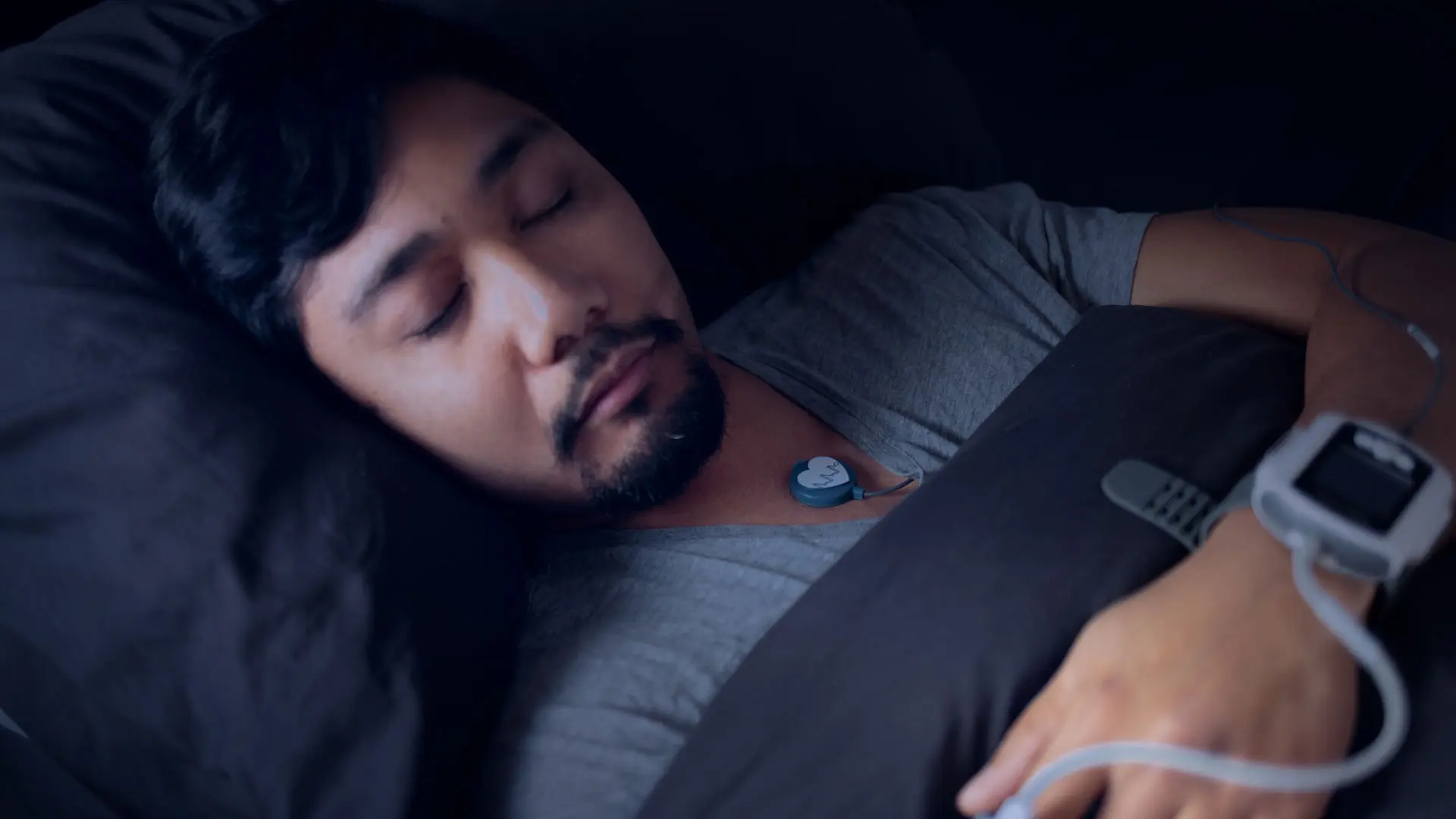
Home Sleep Testing
For certain patients, home sleep testing offers a convenient option, especially when sleep apnea is suspected. It allows evaluation in the comfort of your own home.
CPAP Titration Testing
If sleep apnea is diagnosed, CPAP titration testing determines the correct pressure settings to ensure effective treatment and long-term success.
Multiple Sleep Latency Test (MSLT)
The MSLT is a daytime study used primarily to diagnose narcolepsy and certain hypersomnia disorders. It measures how quickly you fall asleep during structured nap periods.
Actigraphy Testing
Actigraphy involves wearing a small device that tracks sleep-wake cycles over time. It is especially helpful in evaluating circadian rhythm disorders.
Pediatric Sleep Studies in the Upper Peninsula
Sleep disorders affect children, too.
Snoring in children, bedwetting, behavioral changes, difficulty concentrating, or symptoms that resemble ADHD may sometimes be related to disrupted sleep. The American Academy of Sleep Medicine emphasizes that healthy sleep is essential for children’s physical growth, emotional regulation, learning, and overall well-being, and that sleep problems in childhood can affect behavior and school performance if left unaddressed. Because pediatric sleep studies are limited in availability across the Upper Peninsula, HNJH’s ability to provide comprehensive evaluations close to home is especially valuable for families.
When Should You See a Sleep Provider?
You may benefit from a sleep evaluation if you experience:
- Persistent daytime fatigue
- Loud snoring
- Waking up gasping or choking
- Falling asleep while driving
- Trouble concentrating
- Morning headaches
- Memory concerns
- Difficulty staying asleep
You do not need a referral to schedule a consultation with the Sleep Diagnostics Center at Helen Newberry Joy Hospital. While referrals from your primary care provider are welcome, they are not required.
Sleep Care Close to Home in Newberry, Michigan
Traveling long distances for specialty care isn’t always practical in the Upper Peninsula. As an AASM-accredited sleep center since 2011, Helen Newberry Joy Hospital provides nationally recognized sleep diagnostics right here in Newberry.
Serving patients across Luce County and within a 100-mile radius, the Sleep Center cares for individuals of all ages and walks of life, from children to older adults.
If poor sleep is affecting your daily life, it may be time to talk with a provider about a sleep evaluation.
Learn more about our Sleep Diagnostics Center or call to schedule an appointment.
Sleep Study Appointments: Monday through Wednesday (by appointment)
For questions or to schedule: Call 906.292.9200 (Ask for the Sleep Center or scheduling assistance)
No referral is required. You may schedule directly with one of our sleep providers, including Dr. Washington or Carol Norman.
Frequently Asked Questions About Sleep
How Much Sleep Do You Actually Need by Age?
Most adults need 7–9 hours of sleep per night, while older adults still generally require at least 7 hours. Children and teenagers need more. Consistently getting less than recommended sleep can impact heart health, memory, and overall function.
Is 6 Hours of Sleep Enough?
For most adults, 6 hours is not enough for long-term health. Some people may feel functional on 6 hours, but research shows that chronic sleep restriction can increase health risks over time.
Why Do Older Adults Sleep Less?
Sleep patterns naturally shift with age, leading to lighter sleep and earlier wake times. However, frequent nighttime awakenings or severe fatigue are not simply “normal aging” and may indicate an underlying sleep disorder.
Why Am I So Tired But Can’t Sleep?
Stress, circadian rhythm disruption, insomnia, sleep apnea, and certain medical conditions can all contribute to feeling exhausted but unable to fall asleep. Persistent symptoms may warrant evaluation.
What Are the Signs of Sleep Apnea?
Common signs include loud snoring, pauses in breathing, gasping during sleep, morning headaches, dry mouth, and excessive daytime sleepiness. A sleep study is required to confirm diagnosis.
What Is the 10-3-2-1-0 Sleep Rule?
The 10-3-2-1-0 rule suggests limiting caffeine 10 hours before bed, food and alcohol 3 hours before bed, work 2 hours before bed, screen time 1 hour before bed, and hitting snooze 0 times in the morning. While helpful for sleep hygiene, it does not treat medical sleep disorders.
When Is It Time for a Medical Sleep Study?
If fatigue, snoring, or sleep disturbances persist despite lifestyle adjustments, or if they impact daily functioning, a medical sleep evaluation can help determine the underlying cause and appropriate treatment.